
Why Closing the Nuclear Fuel Cycle Matters for the Future of Clean Energy
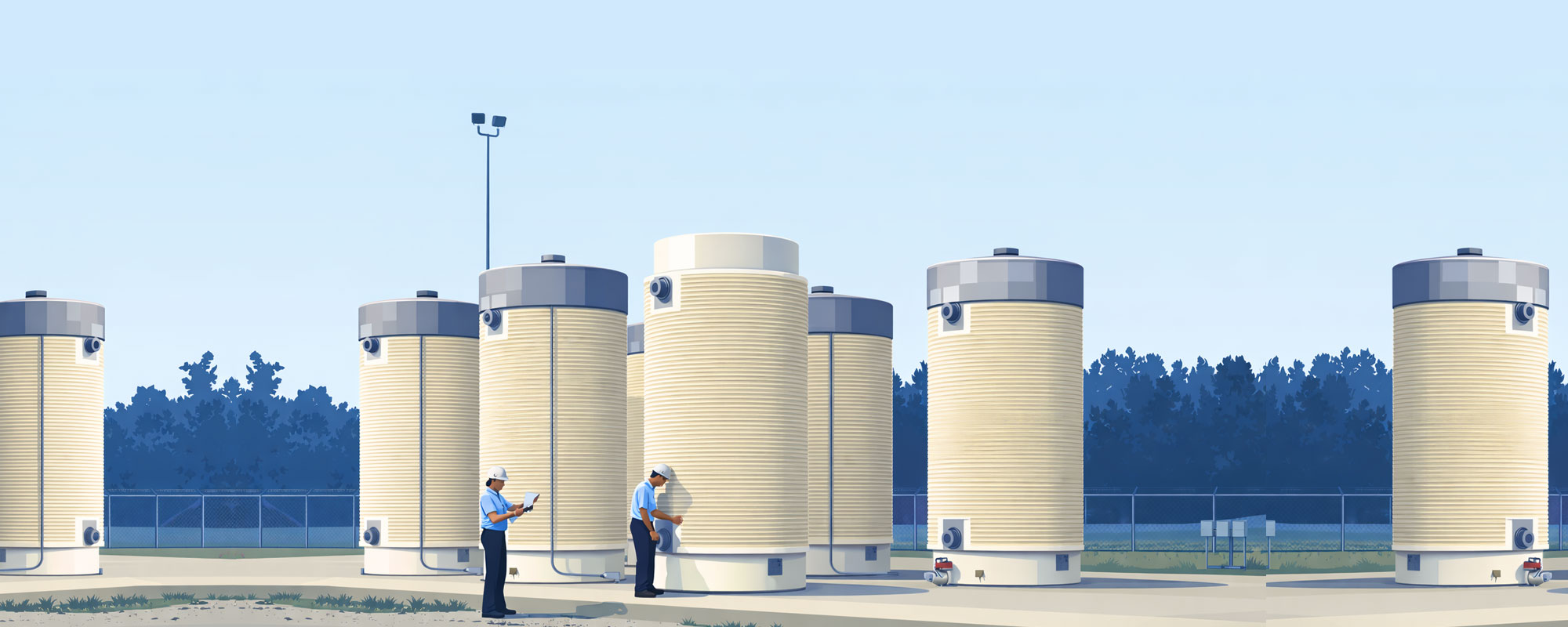 As the world searches for reliable, low-carbon energy sources, nuclear power continues to play an important role in reducing greenhouse gas emissions. However, one of the biggest opportunities for improving nuclear energy’s sustainability lies in closing the nuclear fuel cycle.
Today, most nuclear reactors operate on a “once-through” fuel cycle, where fuel is used once and then placed into long-term storage. Yet much of the energy potential remains locked inside that used fuel. A closed fuel cycle seeks to recover and recycle valuable materials from spent nuclear fuel, allowing them to be used again in advanced reactors.
Closing the fuel cycle offers several potential benefits. It can dramatically improve the utilization of uranium resources, reduce the volume and long-term toxicity of nuclear waste, and provide a more sustainable path for future nuclear energy growth. Rather than viewing spent nuclear fuel solely as waste, a closed fuel cycle recognizes it as a valuable energy resource.
As demand for clean, reliable energy increases, technologies that enable fuel recycling and advanced reactor deployment may become increasingly important. By recovering the remaining energy value in used nuclear fuel, the nuclear industry can help maximize existing resources while supporting long-term energy security and environmental goals.
The future of clean energy may not depend solely on producing new fuel—it may also depend on unlocking the energy that already exists within the fuel we’ve already used.
Source: Adapted from insights presented in the article “Why Closing the Nuclear Fuel Cycle Is the Future of Clean Energy” published by CEO Monthly.